

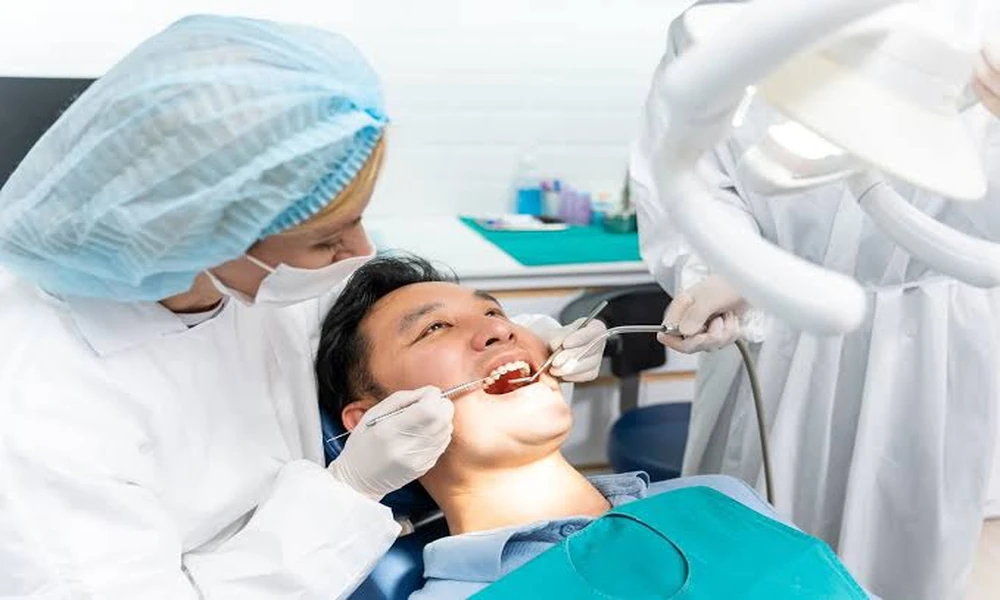
You book a dental visit, then remember the latex allergy, and the whole appointment starts to feel heavier than it should. You are not overreacting. For many families, a routine cleaning or filling turns into a list of worries about gloves, rubber dams, elastic bands, and whether anyone on the team will catch the allergy warning before treatment starts. A Southwest Calgary dentist can help make those concerns feel more manageable.
The good news is that dental treatment with a latex allergy is usually manageable when the office knows about it early and plans for it clearly. The hard part is that families often assume the allergy note in a chart is enough, or they are not sure what details matter. In a dental setting, those details matter a lot. A simple heads up before the visit can change the supplies used, the room setup, and even the appointment time.
Latex Allergy Dental Care Depends on Early, Clear Communication
Latex shows up in more places than most people expect. Gloves are the obvious one, but they are not the only concern. Some dental products and equipment may contain natural rubber latex, and cross contact can happen if the office is not alerted in advance. The reaction can be mild, like itching or a rash, or much more serious, including breathing trouble and anaphylaxis. MedlinePlus explains latex allergy symptoms and reactions in plain language, and it helps families tell the difference between irritation and a true allergy.
If your child or another family member has reacted to balloons, rubber gloves, or certain medical products, the dental office needs to know that before the day of treatment. If there has ever been facial swelling, hives, wheezing, dizziness, or an emergency room visit, say that directly. Do not assume “latex allergy” tells the whole story. The office needs the severity, the type of reaction, and whether the person carries an epinephrine auto injector.
This is where families often get stuck. You do not want to sound difficult, and you may worry that bringing it up will delay care. In reality, the opposite is usually true. When the office learns about a latex allergy in advance, they can prepare a latex safe environment, confirm which materials will be used, and reduce the chance of a rushed decision when the patient is already in the chair.
What Families Should Tell the Dental Office Before a Dental Appointment
When you call, keep it simple and specific. Say the patient has a diagnosed or suspected latex allergy. Describe what happened during past reactions. Mention whether the reaction came from gloves, bandages, balloons, orthodontic elastics, or another source. If a doctor or allergist confirmed the allergy, say that too.
It also helps to ask whether the office has a latex allergy protocol. Many do. The University of Minnesota’s latex allergy policy for dental settings shows the kind of planning some clinics use, including latex free products and steps to reduce exposure. You do not need to know every supply name yourself. You do need to know whether the office is prepared to screen materials and protect the patient.
Timing can matter. Some practices prefer to schedule patients with latex allergy early in the day, before more products are opened and used in treatment rooms. If your family member has a history of severe reactions, ask whether that is possible. If the patient has multiple allergies or asthma, bring that up as well, because layered risks can change how the team prepares.
Dental care for latex sensitive patients also includes practical details families forget to mention. Does the patient wear braces with elastics. Have they reacted during past medical or dental care. Are there food allergies linked with latex sensitivity, such as banana, avocado, kiwi, or chestnut. Those patterns do not prove anything on their own, but they can support a fuller risk picture.
Dental Safety with Latex Allergy Gets Better When Everyone Knows the Plan
A clear plan lowers stress for the patient and the office. It also prevents the common problem of last minute surprises. Imagine arriving for a filling, then learning the assistant needs to check whether the rubber dam or polishing cup contains latex. That pause can shake your confidence, even if the team handles it well. A short phone call before the visit often prevents that scene.
There is also a financial side to this. Missed work, canceled appointments, urgent care visits, and emergency treatment after an allergic reaction cost more than the few minutes it takes to share a detailed history. Even a mild reaction can mean medication, follow up care, and a lot of fear before the next dental visit.
If you want a basic patient guide on preparing for latex allergy in medical settings, this MedlinePlus instruction sheet on avoiding latex is a helpful place to start.
What to Share With the Office and Why It Matters
| What to tell the office | Why it matters |
|---|---|
| Confirmed latex allergy or suspected reaction history | Helps the team decide how strict the avoidance plan needs to be |
| Type of reaction, such as rash, hives, swelling, wheezing, or anaphylaxis | Shows the level of risk and whether emergency planning is needed |
| What caused past reactions, such as gloves, balloons, or dental products | Points staff toward likely sources of exposure |
| Whether the patient carries epinephrine or has seen an allergist | Signals a more serious history and supports safer preparation |
| Other allergies, asthma, or past medical reactions | Builds a fuller picture of overall risk during treatment |
| Need for early appointment timing or special accommodations | Can reduce contact with latex residue and lower stress on the day of care |
Three Immediate Steps Families Can Take Before the Visit
Call before you book. Do not wait for the health history form. Tell the office about the latex allergy when you schedule, and ask them to note it clearly in the chart and appointment record.
Describe the reaction, not just the label. “Latex allergy” is a start, but “hives and lip swelling after rubber gloves” gives the team what they need to plan safely.
Bring backup information on the day of treatment. Carry a medication list, emergency contact, allergy diagnosis details if you have them, and the patient’s epinephrine auto injector if prescribed.
Safe General and Cosmetic Dentist Visits Start With One Honest Conversation
You should not have to choose between needed dental care and feeling safe in the chair. A latex allergy changes the planning, not the goal. With early notice and clear details, a general and cosmetic dentist can often adjust materials, timing, and workflow so care stays on track.
If your family is preparing for a visit, contact the dental office before the appointment and share the allergy history in full. That one conversation can make the entire experience calmer, safer, and easier to trust.
