

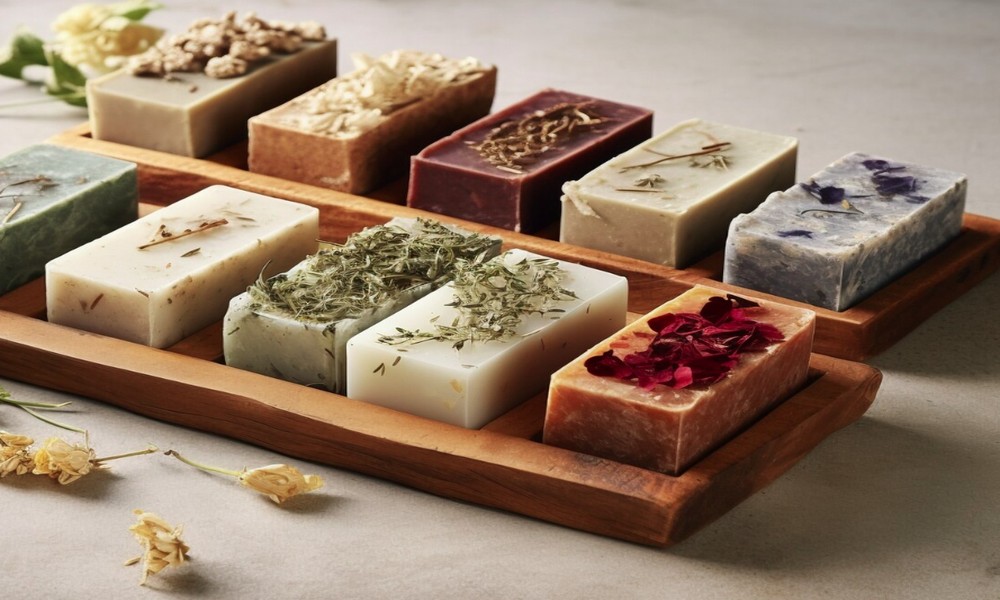
The shift toward natural personal care products has transformed the way consumers approach their daily hygiene routines. Many individuals are moving away from mass-produced synthetic bars in favor of products that prioritize skin health and environmental sustainability.
However, as the market expands, the term natural is often used loosely, making it necessary for buyers to be more discerning.
Finding high-quality organic soaps requires an understanding of ingredient lists, manufacturing processes, and the specific needs of your skin to ensure that the product you choose is truly beneficial.
Analyzing the Ingredient List for Synthetic Additives
The most critical factor in choosing a genuine product is a thorough review of the ingredients. True organic soaps should be free from harsh chemicals such as parabens, sulfates, and synthetic fragrances.
Many commercial bars contain sodium lauryl sulfate, which provides a rich lather but can strip the skin of its natural oils. Instead, look for a base of plant-derived oils like coconut, olive, or jojoba.
If the label contains long lists of unrecognizable chemical names, the product likely does not meet the strict standards required for authentic organic classification.
Understanding the Difference Between Scent and Fragrance
A common misconception is that a pleasant smell indicates a natural product. However, the word fragrance on a label can represent hundreds of undisclosed chemicals that may cause respiratory irritation or skin sensitivity.
When shopping for organic soaps, look for those that utilize pure essential oils for their aromatic properties. Essential oils like lavender, eucalyptus, and peppermint not only provide a delightful scent but also offer therapeutic benefits for the skin.
Avoid products that use artificial dyes or synthetic perfumes, as these are often the primary culprits behind allergic reactions.
Evaluating the Sourcing and Certification Labels
Because the beauty industry is not always strictly regulated, manufacturers may use misleading marketing. To ensure you are purchasing authentic organic soaps, look for recognized certification seals on the packaging.
These labels indicate that the ingredients were grown without the use of pesticides or synthetic fertilizers. Furthermore, consider the ethical implications of sourcing, such as the use of palm oil.
If a brand uses palm oil, check if it is sustainably sourced to ensure that your purchase does not contribute to deforestation or the destruction of natural wildlife habitats.
Considering the Manufacturing and Saponification Process
The method used to create the soap significantly affects its quality and longevity. Cold-process soap making is often preferred for organic products because it preserves the integrity of the natural oils and keeps the glycerin intact.
Glycerin is a natural humectant that attracts moisture to the skin, a component often removed from industrial soaps to be sold separately in lotions.
By choosing organic soaps made through traditional methods, you ensure that you are receiving a bar that cleanses effectively while providing the moisturizing benefits that your skin requires to remain soft and healthy.
Matching the Product to Your Specific Skin Type
Just as with any other skincare product, one size does not fit all. If you have dry skin, look for bars enriched with shea butter or avocado oil for extra hydration.
For those with oily or acne-prone skin, ingredients like tea tree oil or activated charcoal can help balance sebum production and draw out impurities.
Sensitive individuals should opt for unscented varieties that contain soothing elements like oatmeal or aloe vera. Tailoring your selection to your dermatological needs prevents irritation and ensures that the soap supports your skin barrier rather than compromising it.
