

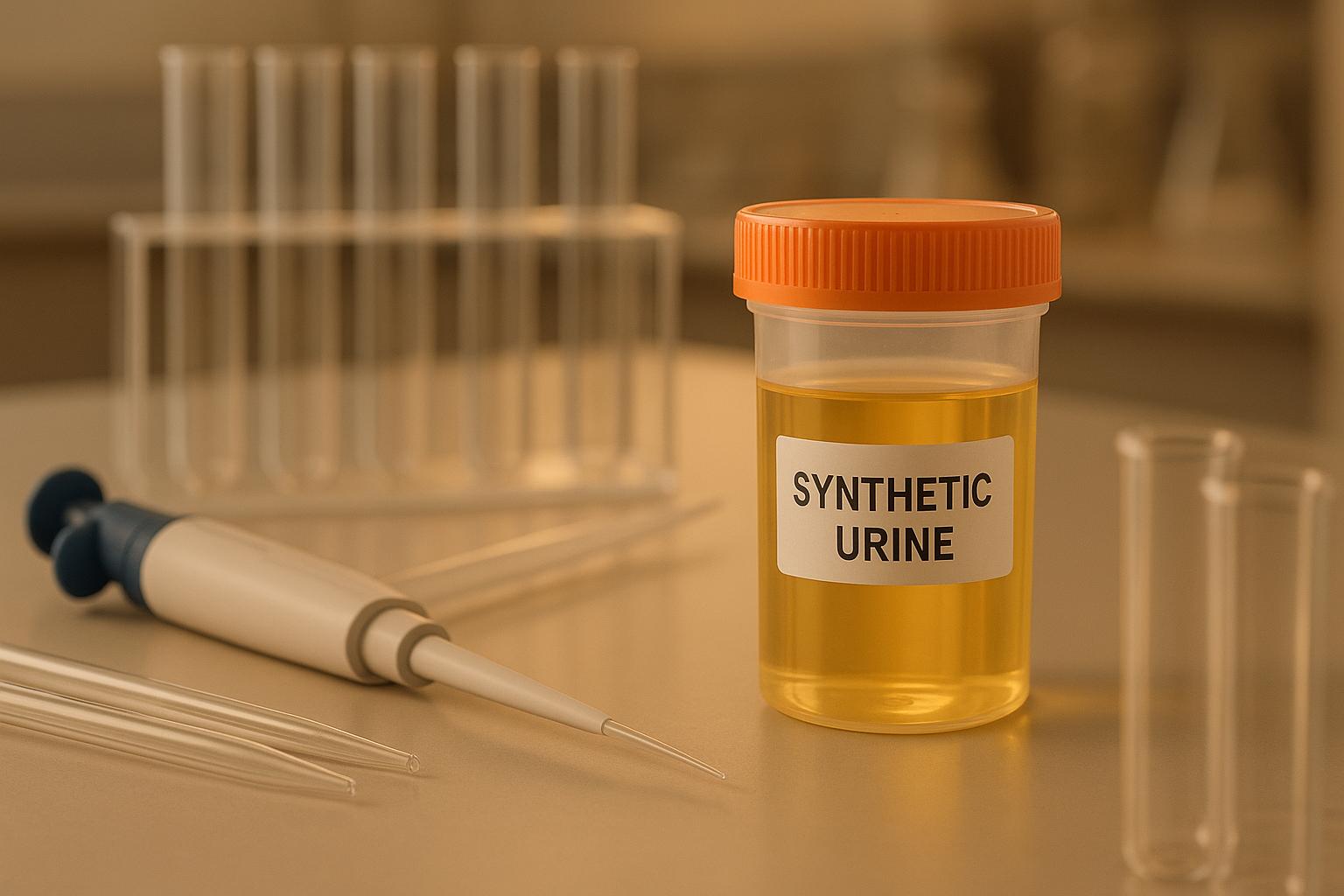
Storage determines whether synthetic urine actually works or fails due to degradation. Temperature matters. Light exposure matters. Container integrity matters. Get any of these wrong, and a perfectly good formula becomes useless before you ever need it. have a peek here to access structured information summarizing formulation stability and packaging notes. Handling the product correctly from purchase through actual testing prevents failures caused by avoidable chemical breakdown.
Temperature control essentials
Heat destroys synthetic urine faster than anything else. The temperature rises dramatically, speeding up chemical reactions. It only takes hours for a bottle to spoil in July. Doesn’t matter if the parking spot seems shady. Dashboard heat builds up fast and cooks the formula chemically. Storage temperature should stay between 60-75°F without big swings. Climate-controlled basements work. Bedroom closets work. Kitchen pantries away from the stove work fine. Bathrooms seem convenient, but the temperature bounces around too much from showers and heating. Attics get way too hot in summer. Garages swing between extremes. You need a steady, moderate temperature all year. A hot-to-cold cycle damages both the formula chemistry and the bottle seal over time.
Light and UV protection
Synthetic urine is broken down by sunlight. It smashes urea, creatinine, and other molecules. Even indirect window light causes damage over weeks or months. Protection from light requires specific steps:
- Opaque bottles block UV penetration better than clear ones
- Cabinet or drawer storage beats open shelving
- Clear plastic containers expose the formula to light damage
- Windows and naturally lit spots accelerate degradation
- Completely dark storage areas extend viability the longest
Most quality synthetic urine ships in amber or solid-colored bottles for exactly this reason. Moving it to clear containers throws away that protection. Original packaging generally provides better light blocking than whatever you have sitting around the house.
Container seal integrity
Oxygen exposure triggers oxidation that permanently alters the chemical makeup. Air reacts with formula compounds, creating breakdown byproducts that labs might catch during testing. How good the seal is determines how much air gets in. Inspect bottle caps periodically for damage. Plastic degrades. Threads wear down or strip. Seals get compressed and stop working properly. Bad caps need immediate replacement, or the product should move to better containers. Materials loosen with changing temperatures. Regularly check and tighten them. Push-tops wear faster than screw caps. Flip-style caps crack at the hinge. Any gap in the seal allows air intrusion, which starts the degradation.
Opened product handling
Once you break the seal, storage rules change completely. Air floods in. Oxidation starts immediately. What lasted years sealed now has days at most. Get opened bottles into refrigeration right away. Cold temperatures slow reactions down substantially. Refrigerated opened product might last 48 hours. Room temperature opens the product, making it 12 hours before degradation becomes a problem. Samples coming out of refrigeration need to warm back up to body temperature before use because testing facilities verify this. Don’t refreeze anything after it thaws. Don’t reseal and think you can store it long-term after opening. Plan on using the opened product within two days maximum. Older than that, and chemical breakdown has progressed too far to pass laboratory checks reliably.
Synthetic urine storage requires temperatures between 60-75°F, total darkness to block UV damage, and tight seals. Controlling humidity and refrigerating opened bottles extends product life. Bad storage destroys chemical composition and causes test failures even when everything else about the usage process goes correctly.