

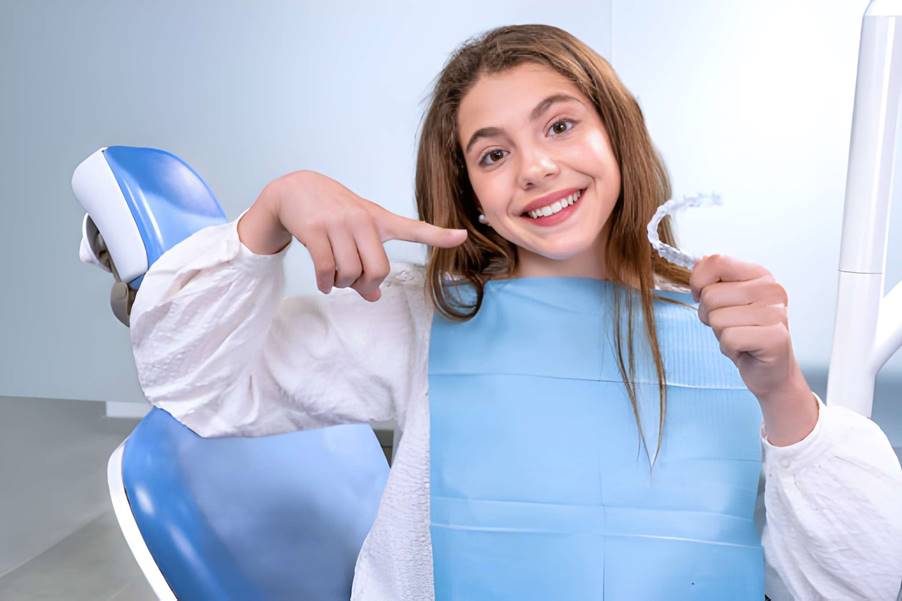
Let us be real, smiling confidently is not just about looking good in photos. A straight, healthy set of teeth can genuinely boost how you feel walking into a room. That is where Invisalign comes in: a modern twist on orthodontics that has taken over the traditional brace scene. If you have ever winced thinking about metal brackets and wires, you are not alone. Invisalign is kind of like the cool, invisible cousin of braces, moving teeth with clear plastic trays that most people won’t even notice.
Now, if you are curious about the providers of Invisalign Belleville, you are in the right place. At Belle Orthodontics, the approach to Invisalign is a lot more personal and human than the stiff dental chair stereotype. Your journey begins with a warm consultation where you can bulldoze all your questions and get a real sense of what you are signing up for.
What is cool is how tailored it feels; you get a 3D scan of your smile and a treatment plan that is built just for you. And yes, it almost feels like you are gearing up for something fun, not medical.
How Invisalign Works
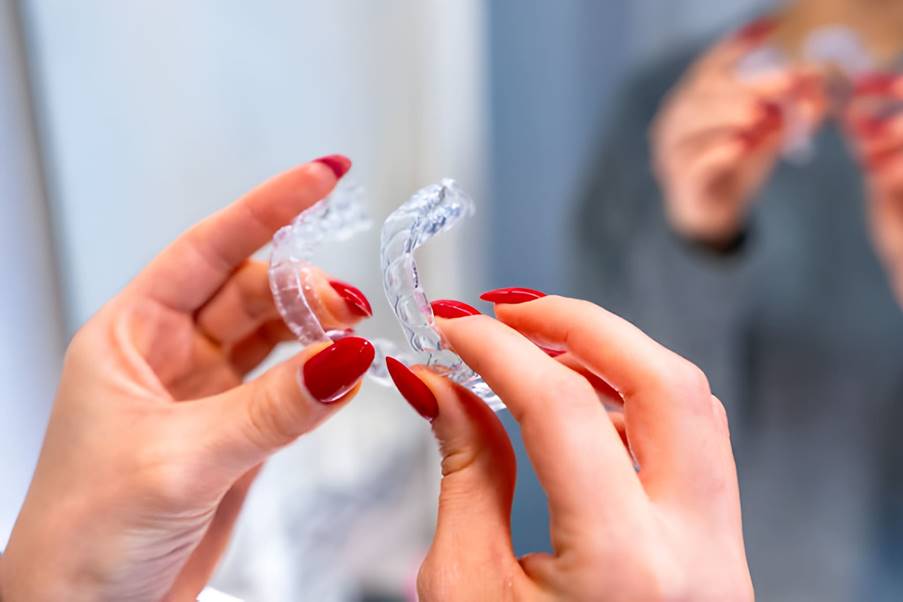
Invisalign uses clear, removable aligners that gradually shift teeth, step by step, using custom invisible trays for discreet daily treatment. Usually, the process starts with a deep dive into your dental needs. A provider scans your teeth, maps out the whole movement plan, and you will get your first few aligners. You are supposed to wear them about 20–22 hours a day, take them out to eat or brush, then switch to the next set every week or so.
Perks That Make Invisalign Worth Talking About
Here is where people get a bit giddy:
- Almost invisible. Seriously. Most people won’t even notice your aligners unless you point them out.
- Removable. You can take them out for food or brushing, which feels amazing compared to wrestling with braces wires.
- Comfortable. There is none of that metal-mouth vibe, no poking wires, no tightening screws.
- Predictable results. Advanced 3D tech helps you see how changes should go before you even start.
But let us keep it real: you do need to wear them consistently. Forgetting to pop them back in after a snack? Yes, not ideal. Commitment matters.
What Kinds of Invisalign Are There?
Invisalign is not a one-size-fits-all. They come in various types, depending on your requirements, shorter, faster plans are useful when you need to perform the mildest of tweaks, whereas more extensive sequences are adopted when it comes to more difficult alignment problems. There are teen versions, adult versions, and even early dental development treatment plans in children.
Who Is a Good Fit for Invisalign?
Most people with mild alignment issues qualify; teens and adults succeed if compliant. Not every case is perfect for Invisalign. Very complex issues might still call for traditional braces or more specialized orthodontic care. Your orthodontist or dental specialist will help you figure that out so you don’t waste time or money on the wrong path.