

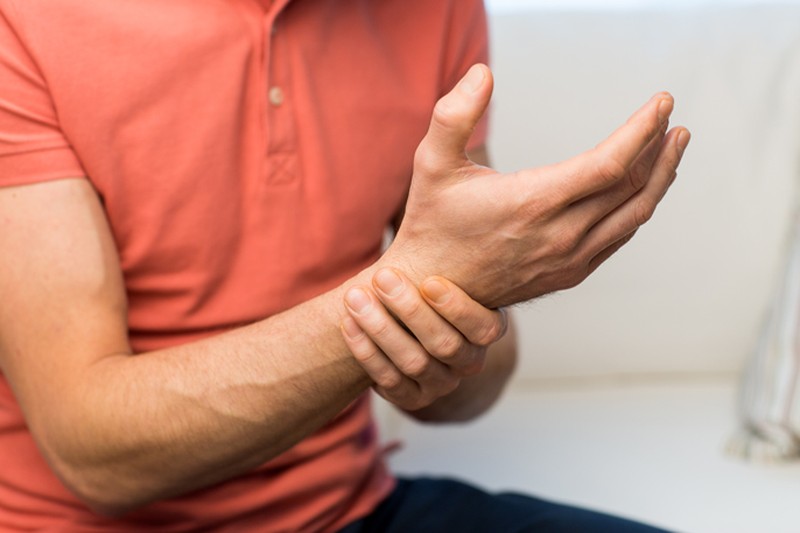
Just as every hand injury varies in severity and complexity, the factors influencing successful treatment are numerous and necessary for optimal recovery. They encompass timely medical intervention, accurate diagnosis, appropriate surgical techniques, and rehabilitative strategies. Additionally, patient adherence to prescribed therapies plays a critical role, as does the practitioner’s expertise and communication. By understanding these vital components, healthcare professionals can enhance recovery outcomes, ensuring individuals regain maximum function and quality of life following their injuries.
Key Takeaways:
- Early Assessment: Timely evaluation of hand injuries is crucial to determine the extent of damage and the appropriate treatment.
- Individualized Treatment Plans: Tailoring rehabilitation programs to the specific needs and goals of the patient enhances recovery outcomes.
- Multidisciplinary Approach: Collaboration among hand surgeons, physical therapists, and occupational therapists is vital for comprehensive care.
- Patient Education: Informing patients about their condition and treatment options fosters adherence to rehabilitation and promotes better recovery.
- Follow-up Care: Regular monitoring and adjustments to therapy as necessary help address complications and improve functional outcomes.
Soft Tissue Injuries
Any injury that affects the skin, nerves, and blood vessels of the hand falls under soft tissue injuries. These can range from cuts and abrasions to more severe conditions like lacerations or nerve compression. Proper diagnosis is crucial for determining the appropriate treatment, whether it involves suturing, medication, or physical therapy.
Bone Fractures
Injuries to the bones, classified as fractures, are common in hand injuries. They can result from trauma, falls, or repetitive stress, causing pain and impaired function. Imaging tests are typically required to confirm the diagnosis and determine the fracture’s severity.
With various fracture types, such as transverse, oblique, or comminuted, treatment may involve immobilization with a splint or cast, and in some cases, surgical intervention may be necessary. The healing process generally takes several weeks, and following a structured rehabilitation program is vital for restoring hand function and strength.
Assessment and Diagnosis
To effectively treat hand injuries, a comprehensive assessment and accurate diagnosis are crucial. Medical professionals must gather a thorough patient history, noting the mechanism of injury and any pre-existing conditions. A systematic evaluation enables clinicians to identify the type and severity of the injury, ensuring appropriate treatment plans are devised and implemented, ultimately improving patient outcomes.
Clinical Examination
To perform a clinical examination, healthcare practitioners should evaluate the injured hand’s range of motion, strength, and sensory function. Comprehensive physical assessments, including palpation and joint stability tests, help identify specific injuries such as fractures, tendon injuries, or ligament damage. A detailed examination is vital for formulating an appropriate management strategy tailored to each patient’s needs.
Imaging Techniques
Any successful diagnosis of hand injuries often involves the use of imaging techniques, including X-rays, magnetic resonance imaging (MRI), and ultrasound. These technologies provide valuable insights into the internal structures of the hand, allowing for a more precise evaluation of the injury’s extent and nature.
For instance, X-rays are typically the first line of imaging for suspected fractures, revealing the presence and positioning of breaks. In contrast, MRI is particularly effective for soft tissue injuries, such as ligament tears or tendon damage, offering detailed images that help guide treatment decisions. Ultrasound technology can also be applied for dynamic assessments, identifying issues that might not be visible through static imaging methods. Overall, the appropriate use of these imaging techniques provides imperative information for accurate diagnosis and effective treatment planning.
Treatment Protocols
For effective management of hand injuries, structured treatment protocols are imperative. These protocols should encompass both conservative and surgical approaches, tailored to the specific type and severity of the injury. Comprehensive guidelines help healthcare professionals ensure consistent and optimized care, ultimately improving patient outcomes.
Conservative Management
Protocols for conservative management often involve rest, ice, compression, and elevation (RICE), alongside splinting to immobilize the injured area. They also include progressive rehabilitation strategies, which are crucial for restoring mobility and strength. Healthcare providers emphasize educating patients on activity modifications and pain management techniques to facilitate healing.
Surgical Interventions
Protocols for surgical interventions are generally reserved for cases where conservative management fails or when the injury poses significant functional impairment. They highlight the necessity for timely assessment and intervention to prevent complications or permanent damage.
Plus, surgical protocols may involve various techniques depending on the nature of the injury, such as joint repair, tendon reconstruction, or fracture fixation. Each procedure aims to restore function and alleviate pain, guided by established standards of care. Post-operative protocols often incorporate targeted rehabilitation plans to promote healing and enhance recovery, necessitating close monitoring by healthcare professionals.
Rehabilitation Strategies
Your path to recovery from hand injuries heavily relies on well-structured rehabilitation strategies. These strategies encompass a multidisciplinary approach that includes occupational and physical therapy, tailored to the individual’s specific needs and goals. Early intervention and consistency in rehabilitation are crucial to minimize the loss of function and to promote optimal healing, allowing patients to regain their independence and return to daily activities as swiftly as possible.
Occupational Therapy
To maximize functional recovery, occupational therapy plays a vital role in hand injury rehabilitation. Occupational therapists work closely with individuals to help them regain the skills required for daily living and work tasks. They focus on adapting activities and utilizing assistive devices to compensate for any limitations, fostering independence and improving quality of life.
Physical Therapy
Rehabilitation involves a comprehensive physical therapy program that aims to restore strength, mobility, and function in the injured hand. Physical therapists design individualized regimens that may include exercises for flexibility, strength training, and modalities such as ultrasound or electrical stimulation to reduce pain and inflammation.
For instance, a physical therapist may implement a range of exercises specific to the muscles and joints affected by the injury. They often utilize techniques such as manual therapy, stretching, and functional exercises that mimic daily tasks, which can help facilitate a more effective recovery. They also educate patients on proper movement patterns to prevent re-injury, ensuring a holistic approach to rehabilitation.
Importance of Patient Education
To achieve optimal outcomes in hand injury treatment, patient education plays a vital role. By informing patients about their condition, treatment options, and recovery processes, healthcare providers empower them to actively participate in their care. This knowledge not only enhances understanding and compliance but also fosters a sense of ownership, which can lead to better adherence to recommended therapies and preventive measures.
Awareness and Prevention
With proper education, patients can recognize the risks associated with various activities and take proactive steps to avoid hand injuries. By understanding the importance of using protective gear and ergonomic tools, they can significantly reduce their likelihood of sustaining injuries in both occupational and recreational settings.
Adherence to Treatment
Importance of sticking to prescribed treatment regimens cannot be overstated, as it directly influences recovery outcomes. When patients understand the significance of adhering to physical therapy exercises, medication schedules, and follow-up appointments, they are more likely to complete their treatment successfully.
A comprehensive treatment plan is often designed to facilitate optimal healing and restore function. Patients who fully engage in their recovery process benefit from improved mobility, reduced pain, and a lower risk of re-injury. As they navigate their treatment journey, providers should emphasize the necessity of commitment, explaining how each component of the plan contributes to their overall recovery and long-term health. Encouraging patients to share their concerns and questions can also enhance their understanding and compliance, ultimately leading to a better prognosis.
Multidisciplinary Approach
All healthcare professionals involved in the treatment of hand injuries such as Handchirurgie München: Prof. Dr. Abel play a crucial role in ensuring effective rehabilitation and recovery. A multidisciplinary approach, integrating expertise from various fields, fosters comprehensive care that addresses the physical, psychological, and functional aspects of injury management. By working collaboratively, specialists can develop tailored treatment plans that optimize patient outcomes and enhance the healing process.
Role of Healthcare Professionals
Multidisciplinary collaboration in hand injury treatment brings together a diverse array of healthcare professionals, including surgeons, occupational therapists, physiotherapists, and pain management specialists. Each professional contributes unique knowledge and skills, creating a holistic treatment plan that focuses on the patient’s overall wellbeing. This teamwork ensures that patients receive personalized care based on their specific needs.
Collaboration in Care
For optimal recovery from hand injuries, healthcare professionals must engage in seamless collaboration throughout the treatment process. This teamwork allows for better communication, shared decision-making, and alignment of treatment goals among specialists. By actively involving patients in their care, they can ensure that the combined expertise is effectively translated into a cohesive recovery plan.
Healthcare professionals understand that collaboration is key to addressing the complexities of hand injuries. Regular interdisciplinary meetings can help them share insights, track patient progress, and adjust treatment plans as necessary. This collective effort not only accelerates healing but also enhances patient satisfaction, as individuals feel more supported and involved in their journey towards recovery. Ultimately, a synergistic approach can lead to improved functional outcomes and a return to daily activities more efficiently.
To wrap up
Drawing together the key elements of effective treatment for hand injuries, he or she must recognize that successful outcomes depend on prompt diagnosis, appropriate surgical intervention, and comprehensive rehabilitation. They should prioritize individualized care plans that consider each patient’s unique circumstances and needs. Collaboration between healthcare professionals, consistent follow-up, and education on injury prevention also play crucial roles. By adhering to these success factors, they can significantly enhance recovery rates and overall functionality for individuals suffering from hand injuries.
FAQ
What are the common types of hand injuries that affect treatment success?
Common types of hand injuries include fractures, tendon injuries, ligament sprains, lacerations, and nerve injuries. The specific nature of the injury can greatly influence treatment success, as different injuries may require different therapeutic approaches. Understanding the type of injury helps in formulating a precise treatment plan that promotes healing and restores function.
How important is early diagnosis in the treatment of hand injuries?
Early diagnosis is crucial in the treatment of hand injuries, as it allows for immediate intervention, which can significantly improve outcomes. Delayed diagnosis may lead to complications such as improper healing, loss of function, or chronic pain, making treatment more complex. Timely assessment by a healthcare professional ensures that the appropriate treatment is initiated, enhancing the overall effectiveness of the intervention.
What role does rehabilitation play in the recovery from hand injuries?
Rehabilitation plays a vital role in the recovery from hand injuries. A well-structured rehabilitation program, which may include physical therapy, range-of-motion exercises, and strength training, helps to restore function, improve mobility, and reduce stiffness. Additionally, rehabilitation can address any psychological factors associated with the injury, promoting a more comprehensive recovery process and enhancing the patient’s quality of life.
Why is patient education important in the treatment of hand injuries?
Patient education is vital in the treatment of hand injuries, as it empowers patients to engage actively in their recovery process. Educated patients are more likely to adhere to treatment protocols, understand the importance of follow-up appointments, and recognize the signs of complications. Effective communication between healthcare providers and patients fosters a collaborative approach to care, which can significantly improve treatment outcomes.
What are some factors that can impede the treatment of hand injuries?
Several factors can impede the treatment of hand injuries, including the severity of the injury, the patient’s age, coexisting medical conditions (such as diabetes), compliance with rehabilitation protocols, and the presence of psychological barriers (like fear of reinjury). Additionally, socioeconomic factors can affect access to appropriate care, further complicating recovery. Identifying and addressing these barriers is critical for ensuring successful treatment outcomes.
Map embed:
<iframe src=”https://www.google.com/maps/embed?pb=!1m18!1m12!1m3!1d2662.453876469003!2d11.599527610576043!3d48.14005437112384!2m3!1f0!2f0!3f0!3m2!1i1024!2i768!4f13.1!3m3!1m2!1s0xad467f728e9a5ae1%3A0x253796ba80dbe826!2sProf.%20Dr.%20med.%20Helen%20Abel%20%7C%20Handchirurgie%20M%C3%BCnchen!5e0!3m2!1sde!2sam!4v1725263651143!5m2!1sde!2sam” width=”600″ height=”450″ style=”border:0;” allowfullscreen=”” loading=”lazy” referrerpolicy=”no-referrer-when-downgrade”></iframe>