

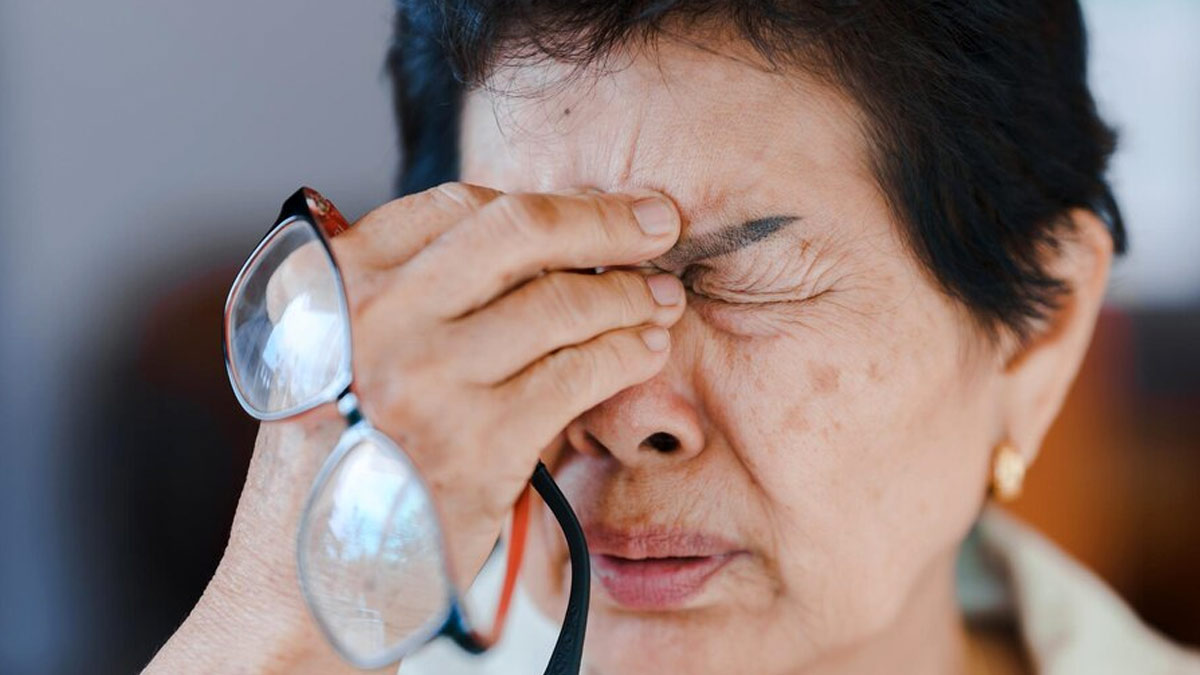
Vision problems often develop slowly, and many adults do not notice the early signs. Blurred vision, difficulty reading, or headaches may be dismissed as normal aging or fatigue. Ignoring these issues can affect daily life, work performance, and overall well-being.
Understanding common vision problems helps adults recognize symptoms early. Early detection allows for timely interventions that prevent complications, improve comfort, and preserve long-term eyesight. Awareness and regular checkups are essential for maintaining healthy vision throughout adulthood.
Common Vision Problems in Adults
Several vision problems commonly affect adults. Nearsightedness and farsightedness can reduce clarity at certain distances. Astigmatism may cause blurred or distorted vision.
Presbyopia, a natural age-related condition, affects the ability to focus on close objects. Cataracts and glaucoma can develop gradually, often without noticeable symptoms at first.
Recognizing these issues early is crucial. Left untreated, even minor problems can reduce productivity, limit mobility, and increase eye strain. Timely interventions improve both daily comfort and long-term outcomes.
Adult Eyesight Issues That Are Often Overlooked
Adults may ignore eyesight issues because symptoms can be subtle. Frequent squinting, headaches after screen use, or trouble reading small print are common signs.
Dry eyes, light sensitivity, and difficulty adjusting to low-light conditions can indicate underlying problems. These symptoms may affect work performance, driving safety, or leisure activities.
Many adults benefit from consulting expert eye surgery care when conservative treatments are no longer sufficient. Early evaluation helps determine the most effective approach for improving vision.
Corrective Eye Procedures for Early Intervention
Corrective eye procedures can address a wide range of vision problems. Laser surgery, lens replacement, and other advanced treatments restore clarity and reduce dependence on glasses or contacts.
Timely intervention improves visual comfort and reduces the risk of long-term complications. Surgery or non-invasive procedures are often more effective when performed early.
Professional guidance from a modern vision correction clinic ensures that treatment is safe, tailored, and supported by follow-up care. Clinics evaluate overall eye health and recommend the most suitable solution for each patient.
Promoting Eye Health Awareness
Raising eye health awareness is essential for adults. Understanding risk factors and early signs helps prevent severe vision loss.
Lifestyle choices like proper screen breaks, UV protection, balanced nutrition, and regular sleep support healthy eyesight. Eye exams every one to two years allow for early detection of subtle changes.
Education and awareness encourage proactive care. Adults who prioritize eye health experience fewer complications and maintain better visual function over time.
Daily Habits That Support Healthy Eyes
Daily habits help reduce strain and preserve vision. Limiting prolonged screen use, maintaining proper lighting, and taking regular breaks support visual comfort.
Hydration, balanced diet, and exercises for the eyes also contribute to long-term health. Protecting eyes from UV light, wind, and irritants further prevents damage.
Combining lifestyle habits with professional care ensures that vision remains strong and functional as adults age.
Conclusion
Many adults ignore common vision problems until they significantly affect daily life. Early recognition and treatment of adult eyesight issues improve comfort, safety, and productivity.
Consulting expert eye surgery care or a modern vision correction clinic provides effective solutions. Timely interventions prevent complications and restore visual clarity.
Prioritizing eye health through awareness, preventive habits, and professional evaluation ensures that vision remains reliable, comfortable, and supportive of a healthy, active lifestyle.
