

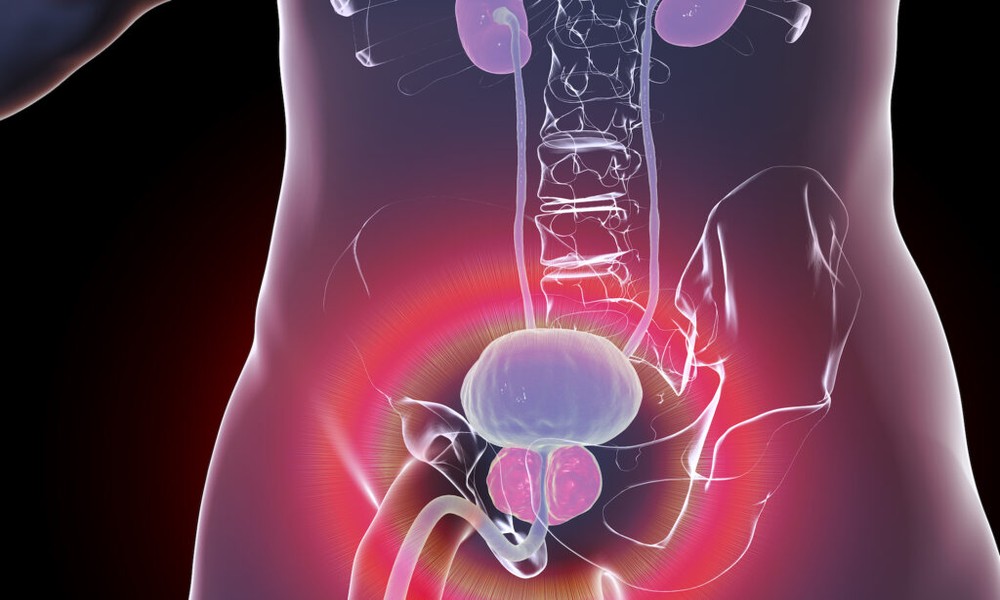
Benign prostatic hyperplasia, or BPH, is a common condition in which the prostate gland enlarges as men age. While not cancerous, an enlarged prostate can lead to urinary symptoms that impact daily life and overall well-being. Understanding the symptoms, causes, and available treatments for BPH is essential for men who want to maintain urinary health and quality of life.
What Is BPH?
The prostate is a small gland located below the bladder that surrounds the urethra. In BPH, the prostate gradually enlarges and can constrict the urethra, making it difficult to pass urine. This condition typically affects men over 50, and its prevalence increases with age. While BPH is noncancerous, it can cause significant discomfort and may lead to complications if left untreated.
Common Symptoms of an Enlarged Prostate
BPH can produce a range of urinary symptoms, including:
- Frequent urination, especially at night (nocturia)
- Difficulty starting or stopping urination
- Weak or interrupted urine stream
- A feeling of incomplete bladder emptying
- Urgency to urinate or sudden urges
These symptoms can interfere with sleep, work, and daily activities. In severe cases, BPH can lead to urinary retention or kidney problems, highlighting the importance of early evaluation and treatment.
Risk Factors for BPH
Several factors increase the likelihood of developing an enlarged prostate:
- Age: Men over 50 are at higher risk, with prevalence increasing with age.
- Family History: Genetics can influence prostate growth patterns.
- Lifestyle Factors: Obesity and lack of exercise may contribute to increased risk.
- Medical Conditions: Diabetes and heart disease have been linked to BPH development.
Understanding personal risk factors can help men recognize early signs and seek medical attention promptly.
Diagnosis of BPH
A proper diagnosis is key to effective treatment. Urologists use a combination of methods to assess the prostate and urinary function:
- Digital Rectal Exam (DRE): The physician feels the prostate to check for enlargement.
- Urinalysis: Detects infections or other urinary problems that may mimic BPH symptoms.
- Prostate-Specific Antigen (PSA) Test: Helps rule out prostate cancer.
- Imaging and Ultrasound: Evaluate prostate size and bladder function.
- Symptom Questionnaires: Assess severity and impact on quality of life.
Consulting a specialized urologist, such as Lazare Urology, ensures a thorough evaluation and personalized recommendations.
Treatment Options for BPH
Treatment depends on the severity of symptoms, prostate size, and overall health. Common approaches include:
- Lifestyle Modifications: Reducing fluid intake before bedtime, limiting caffeine and alcohol, and practicing timed voiding can ease mild symptoms.
- Medications: Alpha-blockers relax prostate and bladder muscles to improve urine flow, while 5-alpha-reductase inhibitors shrink the prostate over time.
- Minimally Invasive Procedures: UroLift is a procedure that lifts and holds the enlarged prostate tissue away from the urethra, improving urine flow without major surgery.
- Laser Therapy: GreenLight Laser therapy uses targeted laser energy to remove obstructive prostate tissue with minimal bleeding and fast recovery.
- Surgery: In severe cases, surgical procedures such as transurethral resection of the prostate (TURP) may be necessary.
A urologist will recommend the best treatment based on the patient’s symptoms, prostate size, and overall health goals.
Preventing Complications from BPH
While BPH cannot always be prevented, early detection and management can reduce the risk of complications. Untreated BPH can lead to urinary retention, bladder stones, kidney damage, or recurrent urinary tract infections. Regular check-ups with a urologist, staying hydrated, and monitoring urinary symptoms are essential for maintaining urinary health.
When to See a Urologist
Men experiencing persistent urinary symptoms such as difficulty urinating, frequent nighttime urination, or a weak urine stream should seek evaluation. Early consultation allows for effective treatment, symptom relief, and prevention of long-term complications. Specialized urologists can provide minimally invasive solutions and personalized care to improve quality of life.
Conclusion
Benign prostatic hyperplasia is a common condition that can significantly impact urinary function and daily living. Recognizing the symptoms, understanding risk factors, and seeking timely medical evaluation are crucial steps for men experiencing BPH. Modern treatment options, including lifestyle changes, medications, UroLift, and GreenLight Laser therapy, offer effective solutions for managing prostate enlargement. Consulting a specialized urologist, ensures expert guidance, personalized care, and access to the latest treatments to maintain urinary health and improve quality of life.
