

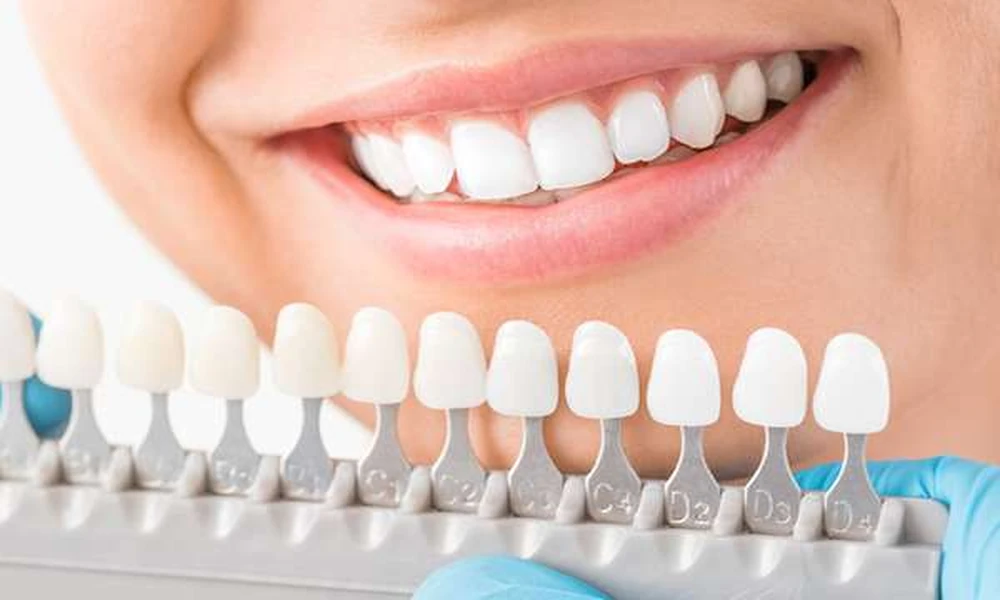
You might be feeling pulled in two directions at once. On one hand, you want a brighter smile, a chipped tooth fixed, or a more even look. On the other, you do not want to juggle separate offices, repeat your dental history, or guess which treatment is worth the time and cost. That tension is real, especially when you are already trying to keep up with routine checkups, your child’s appointments, or a busy schedule. The good news is simple. How Family Dentistry Simplifies Access To Whitening, Veneers, And More comes down to convenience, continuity, and trust. When one practice offers both routine and cosmetic care, it often becomes easier to protect oral health while improving how your smile looks. A West Tampa dentist can often make that process even more convenient by keeping preventive and cosmetic services in one familiar place.
That matters more than many people realize. Cosmetic goals do not sit apart from everyday dental care. If you are thinking about whitening, veneers, bonding, or other smile updates, your gums, enamel, bite, and old dental work all play a part. A family and cosmetic dentist can look at the whole picture, which helps you avoid rushed choices and get care that fits your needs.
Why does family dentistry make cosmetic dental care feel less overwhelming?
It often starts with familiarity. When your regular dental team already knows your health history, your past fillings, your gum condition, and even your comfort level in the chair, you do not have to begin from zero. That can make a big difference if you are nervous about treatment or unsure what you need first.
Think about a common situation. You want teeth whitening, but you also have tooth sensitivity. Or you are interested in veneers, but one front tooth has an old filling and another has minor wear. In a setting that combines preventive and esthetic care, those details can be reviewed together instead of in pieces. According to the National Institute of Dental and Craniofacial Research guidance on oral hygiene, healthy brushing, flossing, and regular dental visits support the foundation for long term oral health. Cosmetic treatment tends to work best when that foundation is already in place.
So, where does that leave you? Usually in a better position to make calm, informed choices. A family dentist offering cosmetic options can help you decide whether whitening is enough, whether bonding could fix a small chip, or whether veneers make sense for larger changes in shape and color. That is one reason many people look for family dentistry for cosmetic treatments instead of splitting care between multiple providers.
What can whitening, veneers, and other cosmetic services actually solve?
Sometimes the issue is obvious. You see stains from coffee, tea, tobacco, or age, and you want your smile to look cleaner and brighter. Other times, the concern is more layered. Maybe one tooth is darker than the rest. Maybe small gaps draw your eye every time you speak. Maybe old dental work no longer matches your natural teeth.
Professional whitening can help with many surface stains, but it is not a fix for every kind of discoloration. Veneers may help when you want to change color, shape, size, or minor spacing in visible teeth. Bonding can often repair chips or smooth rough edges with less removal of tooth structure. Crowns may be better when a tooth is damaged and also needs strength. The key is not choosing the most dramatic option. It is choosing the one that fits your goals and your oral health.
Materials matter too. The NIDCR overview of dental materials explains that different materials are used for different clinical needs, including appearance, durability, and placement in the mouth. That is part of why a one size fits all answer rarely serves people well. Good care is personal.
How do professional options compare with at home fixes?
When you are trying to manage cost and time, it is natural to wonder if store bought products can do enough. Sometimes they can help, especially for mild surface staining. But there is a limit. If your issue involves uneven color, worn enamel, old restorations, or tooth shape, at home products will not change the structure of your smile.
| Option | Best For | Main Benefits | Limits To Keep In Mind |
|---|---|---|---|
| Whitening toothpaste or strips | Mild surface stains | Easy access, lower upfront cost | Results may be modest, can increase sensitivity, will not change fillings or crowns |
| Professional whitening | Noticeable stain removal with supervision | Stronger, more even results, guidance for sensitive teeth | Not ideal for every type of discoloration |
| Bonding | Small chips, slight gaps, shape concerns | Conservative, often quicker than veneers | May stain or wear over time |
| Veneers | Color, shape, and minor alignment concerns in front teeth | Can create a big visual change | Requires planning, cost is higher, not right for every bite or enamel condition |
Safety should stay part of the conversation. The MedlinePlus page on tooth discoloration notes that color changes can come from many causes, including food, tobacco, medicines, injury, or disease. If a tooth changes color suddenly, that is a reason to get it checked instead of trying to cover it with whitening alone.
What steps can you take right now if you want a better smile without added stress?
1. Start with your health, not the product. Before choosing whitening, veneers, or any other cosmetic dental care, make sure decay, gum irritation, and broken dental work are addressed first. This protects your comfort and helps cosmetic results last longer.
2. Get clear on your real goal. Ask yourself what bothers you most. Is it brightness, shape, spacing, or one damaged tooth? When you name the real issue, it becomes much easier to sort through options and avoid paying for treatment that does not solve the problem.
3. Ask for a phased plan. If you need both routine and cosmetic work, ask what can be done now and what can wait. Many people do well with a step by step approach, such as cleaning and repair first, then whitening, then any final esthetic updates. That is one of the practical strengths of cosmetic and family dental services under one roof.
Can one dental home really make smile care easier?
For many people, yes. When preventive care and cosmetic treatment are connected, it often feels less confusing and more manageable. You are not forced to choose between a healthy smile and a smile you feel good showing. You can work toward both, with a plan built around your needs, your timeline, and your budget.
If you have been putting off changes because the process feels too complicated, that hesitation makes sense. Still, you do not have to sort it all out alone. A family and cosmetic dentist can help you understand what is possible, what should come first, and what will give you the most natural result. When you are ready, schedule a visit and ask about the options that fit your smile best.
