

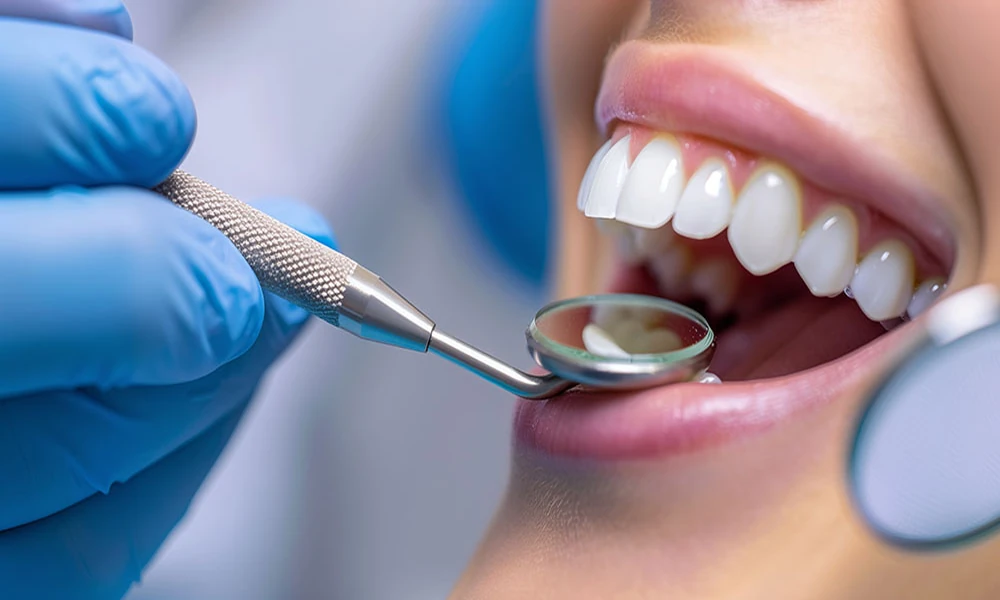
You may have noticed that dental needs never stay the same for long. A child starts with teething and cavity checks, a teen suddenly needs help with sports guards or wisdom teeth, and adults begin hearing more about gum disease, enamel wear, and dry mouth. Then later, there may be concerns about root decay, missing teeth, or changes linked to medication. That shift can feel hard to keep up with, especially when you are trying to manage care for more than one person in the same household. A Garden Grove dentist can help guide each stage of care for the whole family.
How Family Dentistry Tracks Oral Changes Across Different Life Stages comes down to one simple idea. Your mouth changes as your body changes, and a family dentist watches those patterns over time. That long view helps catch small issues before they turn into pain, urgent treatment, or avoidable cost.
Family dentistry follows oral health patterns from childhood through older adulthood
Early childhood visits often focus on eruption patterns, bite development, brushing habits, and cavity risk. This stage moves quickly. A small white spot on a baby tooth can become a larger problem if it is missed, and habits formed early often carry into later years. A family dentist tracks how teeth are coming in, whether the jaw is developing evenly, and whether thumb sucking, mouth breathing, or diet may be affecting growth.
School age children bring a different set of concerns. Molars erupt, orthodontic issues become easier to spot, and sports injuries become more common. You may think a slightly crowded smile can wait, but timing matters. Some bite problems are easier to guide while a child is still growing. Regular monitoring also helps identify cavities in places children cannot clean well yet.
Teen years often look healthy on the surface, but they come with their own risks. Sugary drinks, busy schedules, skipped brushing, braces, and inconsistent routines can all lead to plaque buildup and inflamed gums. A teen may not complain until there is real discomfort. A family dentist can compare earlier records, notice changes in gum health, and flag wear from grinding or jaw clenching before it becomes constant pain.
Adults often put their own care off while focusing on everyone else. That is common, and it usually catches up slowly. Bleeding gums, sensitivity, cracked fillings, grinding, and recession do not always arrive with a dramatic warning. According to the CDC, there are clear oral health findings in U.S. adults that show tooth loss, untreated decay, and gum disease remain real concerns. A family dentist helps track those risks over time instead of treating each visit like an isolated event.
Older adults often face overlapping issues. Medication can reduce saliva. Arthritis can make brushing and flossing harder. Existing dental work may start to fail after years of use. Exposed roots can decay faster than people expect. This is where oral health care across all ages matters most, because changes in one stage often build on what happened earlier.
Small oral changes become larger problems when they are not tracked
A mouth does not usually shift all at once. It changes in small ways. A child develops a deep groove in a molar that traps food. A teen starts clenching during exams. An adult gets dry mouth after starting a new prescription. An older parent stops cleaning around a bridge because it feels awkward. None of these sound urgent at first, which is exactly why they are easy to miss.
When there is no consistent record, patterns get lost. You end up reacting to pain instead of preventing it. That often means more time in the chair, more expense, and more stress for the whole family. A family dentist does more than clean teeth. They compare what your mouth looked like before with what is happening now, and that context matters.
Home care still plays a central role. The National Institute of Dental and Craniofacial Research offers practical guidance on daily oral hygiene, and the CDC also shares clear oral health tips for adults. Those habits are the base, but professional tracking adds another layer. It catches what you cannot easily see in the mirror.
Life stage dental monitoring works best when home habits and office visits support each other
| Life Stage | Common Oral Changes | What Home Care Helps With | What a Family Dentist Tracks |
|---|---|---|---|
| Young children | Teething, early decay, bite development | Brushing with help, less sugar, healthy routines | Tooth eruption, cavity risk, jaw growth |
| Teens | Braces needs, plaque buildup, wisdom tooth changes | Consistent brushing, flossing, mouthguard use | Gum health, alignment changes, grinding wear |
| Adults | Gum recession, cracked fillings, stress grinding | Daily hygiene, less tobacco, diet awareness | Bone support, restoration wear, periodontal changes |
| Older adults | Dry mouth, root decay, tooth loss, denture issues | Moisture support, adapted tools, cleaning around dental work | Medication effects, fit of appliances, root exposure |
Consistent family dental care gives you a clearer plan at every age
Build a timeline, not just a schedule. Keep regular checkups and mention changes that seem minor, including sensitivity, dry mouth, grinding, mouth sores, or bleeding when brushing. Those details help your dentist compare what is new with what has been stable.
Match home care to the life stage. A seven year old does not need the same support as a forty year old with recession or a grandparent with limited hand strength. Adjust toothbrushes, fluoride use, flossing tools, and diet habits to fit the person, not just the routine.
Use one dental home when possible. Seeing the same practice over time often makes dental care through every stage of life more accurate and less stressful. Records stay connected, family history is easier to spot, and treatment decisions are made with a fuller picture.
Your mouth tells a long story, and every stage leaves clues for the next one. When those changes are tracked early and consistently, care becomes simpler, calmer, and more predictable. A trusted family dentist can help you stay ahead of problems instead of scrambling to fix them after they grow.
