

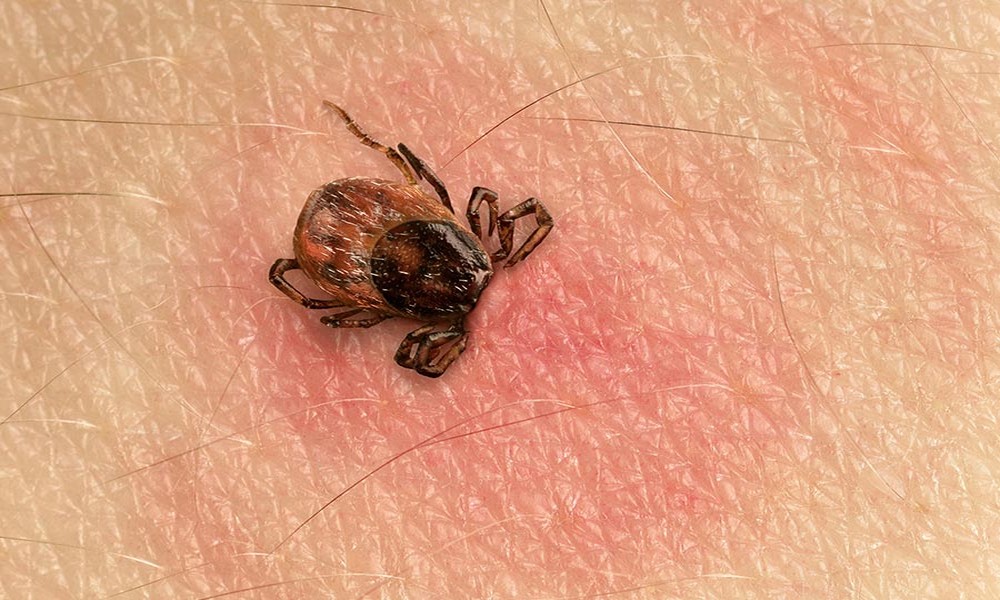
The average people know that Lyme disease is contracted through a tick bite. But there is a second side which tends to remain unnoticed. Lyme disease is shown at the initial stage of living, some are even born with them.
Although not a topic discussed widely, this one that is so critical when it comes to families and healthcare.
Being Born with Lyme − What Does That Meant to You
When we say in regarding born with Lyme disease, we are actually talking about cases where the disease gets passed from mother to child during pregnancy. This is at times referred to as congenital Lyme disease.
That doesn’t happen all the time, but when it does, it can lead to different outcomes. Either way, some kids develop symptoms from the start, whereas others remain undiagnosed until later.
Why It is Difficult to Identify?
One of the most frustrating obstacles in this problem is first, symptoms not clearer. Newborns and toddlers are incapable of articulately communicating their emotions.
Common signs may include:
- Unusual fatigue or irritability
- Developmental delays
- Feeding or sleeping difficulties
Many symptoms are similar to other diseases, which is what makes being born with Lyme disease usually overlooked or missed altogether.
The Emotional Side for Families
For parents, it is convoluted and overwhelming. What a lot of people do not know though, is that Lyme disease is transmissible during pregnancy.
This is difficult news to receive, especially if one has not had Lyme, and when it is revealed that a child might also be born, it raises questions, guilt, and worry. We would, however, be better off by not blaming but rather by supporting and caring for each other.
And when we are conscious of the choices we make, we often make better choices and get better outcomes.
The Importance of Early Attention
Recognizing the issue early on could help a lot. The earlier a condition is recognized, the earlier it can be manipulated.
Parents and caregivers should:
- Keep an eye out for any abnormal behavior or abnormalities in health
- Seek out professionals if something is troubling you
- Log symptoms rigorously
These steps to identify “Possibly Lyme Disease” in a child should help you with how to care for them when they are born and diagnose properly.
Moving Forward with the Right Support
The treatment of Lyme-related conditions is often a team effort. At the heart of this process are physicians, specialists, and caregivers collaborating to nurture the child’s growth.
Support may include:
As each child has his/her own individual pace that they grow, this may take while. Patience and consistency are key.
Final Thoughts
People still very much don’t get the concept of being born with Lyme disease but the awareness is on the upswing. More informed families will seek help more quickly and provide the necessary supports that children need to thrive.
This is not a matter of fear; it should be matter of comprehension and audacity.
And because when something starts quietly, awareness is your most potent weapon.
