

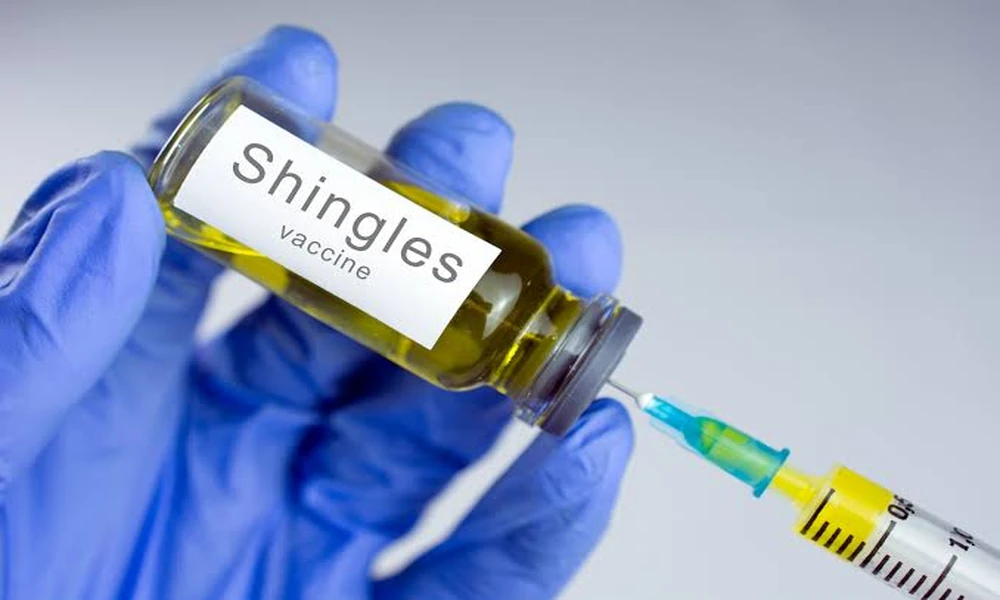
Shingles can be more than an uncomfortable skin condition. It may cause a painful, blistering rash and nerve pain that continues even after the rash disappears. The risk of developing shingles and experiencing serious complications generally increases with age.
Vaccination can help lower this risk. However, the appropriate vaccine schedule may depend on a person’s age, medical history, immune system, and the specific vaccine available. A consultation with a qualified healthcare professional is therefore essential before getting vaccinated.
What Is Shingles?
Shingles, medically known as herpes zoster, is caused by the varicella-zoster virus-the same virus responsible for chickenpox. After a person recovers from chickenpox, the virus does not completely leave the body. It remains inactive in the nervous system and may become active again later in life.
The condition commonly appears as a painful rash on one side of the face or body. Before the rash develops, a person may experience tingling, itching, burning, or unusual skin sensitivity.
Possible Complications of Shingles
Although many people recover within several weeks, shingles can lead to complications, including:
- Long-lasting nerve pain called postherpetic neuralgia
- Eye damage when the infection affects the area around the eye
- Skin infections caused by bacteria
- Hearing or balance problems
- Weakness involving certain facial muscles
- Neurological complications in rare situations
Postherpetic neuralgia is one of the most common concerns. The pain can continue for months or longer after the skin has healed, making ordinary daily activities difficult.
How Does the Shingles Vaccine Work?
The vaccine prepares the immune system to recognise and control the virus before it causes shingles. It cannot guarantee that a vaccinated person will never develop the condition. However, vaccination can significantly reduce the chance of getting shingles and lower the risk of prolonged nerve pain and other complications.
People researching the shingles vaccine Philippines should understand that the vaccine is preventive. It does not treat an active shingles infection or immediately remove symptoms from an existing outbreak.
A healthcare provider should evaluate whether vaccination is suitable based on the patient’s age, current health, allergies, previous vaccination history, and medications.
Who Should Consider Getting Vaccinated?
International guidance from theUS Centers for Disease Control and Prevention recommends two doses of the recombinant zoster vaccine for adults aged 50 and older. It is also recommended for adults aged 19 and older who have or will have a weakened immune system because of a disease or medical treatment.
Philippine recommendations, product indications, and individual treatment plans may differ. A doctor may consider factors such as:
- The patient’s age
- Previous episodes of shingles
- A history of chickenpox
- Conditions that weaken the immune system
- Cancer treatment or organ transplantation
- Medicines that suppress immune activity
- Previous receipt of another type of shingles vaccine
Having shingles in the past does not necessarily provide permanent protection. The condition can occur more than once, so a doctor may still recommend vaccination after the patient has recovered.
Recommended Number of Doses
The commonly used recombinant zoster vaccine is administered as a two-dose series. For most eligible adults, the second injection is given two to six months after the first.
People with weakened immune systems may receive the second dose sooner, usually one to two months after the first, when a shorter schedule is medically appropriate. This timing should be determined by a healthcare professional.
When asking about the zoster vaccine Philippines, patients should confirm the vaccine brand, required number of doses, recommended interval, and source of the product. The Philippine Food and Drug Administration has previously warned the public about unauthorised online selling of shingles vaccines. Vaccination should only be obtained from a licensed hospital, clinic, pharmacy, or healthcare provider.
What If the Second Dose Is Delayed?
A delayed second dose does not automatically mean that the series must be restarted. The patient should contact the vaccination provider and arrange the remaining dose as soon as appropriate.
Completing the recommended series is important because the first injection begins the immune response, while the second helps strengthen and maintain protection.
Main Benefits of the Shingles Vaccine
Reduced Risk of Developing Shingles
Vaccination helps the immune system respond more effectively if the inactive virus becomes active again. This reduces the likelihood of developing the painful rash associated with shingles.
Protection Against Long-Term Nerve Pain
The vaccine also lowers the risk of postherpetic neuralgia. This complication may cause burning, stabbing, or persistent pain in the area where the rash previously appeared.
Lower Risk of Serious Complications
Preventing shingles can also reduce the likelihood of complications involving the eyes, skin, hearing, and nervous system. This protection becomes increasingly important as a person gets older or develops a weaker immune system.
Protection Even After a Previous Episode
People who have already experienced shingles may still benefit from vaccination. They should wait until the active illness has resolved and ask their doctor about the appropriate time to receive the vaccine.
Possible Side Effects
Temporary reactions are common because the vaccine stimulates an immune response. According to the CDC’s vaccine safety guidance, most side effects are mild to moderate and generally resolve within two to three days.
Common Reactions
Possible side effects include:
- Pain, redness, or swelling at the injection site
- Tiredness
- Muscle pain
- Headache
- Chills
- Fever
- Stomach discomfort
- Nausea
These reactions may temporarily affect work, exercise, or other routine activities. Patients should ask their healthcare provider which medicines, if any, may be taken for discomfort.
When to Seek Medical Help
Severe allergic reactions are rare but require immediate medical attention. Warning signs may include difficulty breathing, swelling of the face or throat, widespread hives, severe dizziness, weakness, or a rapid heartbeat.
Anyone experiencing unusual, severe, or persistent symptoms after vaccination should contact a healthcare professional promptly.
Who May Need to Delay or Avoid Vaccination?
A doctor may advise postponing vaccination when a person:
- Currently has an active shingles outbreak
- Has a moderate or severe acute illness
- Is pregnant
- Previously experienced a severe allergic reaction to a vaccine dose or ingredient
People with complex medical conditions should not decide based only on age. Their doctor may need to coordinate the vaccination schedule with treatments that affect the immune system.
Final Takeaway
The shingles vaccine can provide valuable protection against a painful illness and its long-term complications. Most eligible adults receive two doses, although the recommended interval may change for people with weakened immune systems.
Before scheduling an appointment, consult a licensed healthcare provider who can review your health history and confirm the correct vaccine and schedule. Choose a legitimate medical facility and complete every recommended dose to obtain the intended level of protection.
