

Hair loss affects millions of people regardless of age, gender, lifestyle or genetics. The emotional impact often extends far beyond appearance, influencing confidence, social interactions and overall sense of well-being. While surgical transplants remain an option, many people seek less invasive alternatives that work with their bodies rather than requiring significant medical intervention. Platelet-rich plasma therapy has emerged as a compelling solution that harnesses the body’s own healing mechanisms to stimulate hair regrowth naturally.
Understanding the benefits of this approach helps those experiencing hair loss evaluate whether PRP aligns with their restoration goals.
Utilizing Your Body’s Natural Healing Power
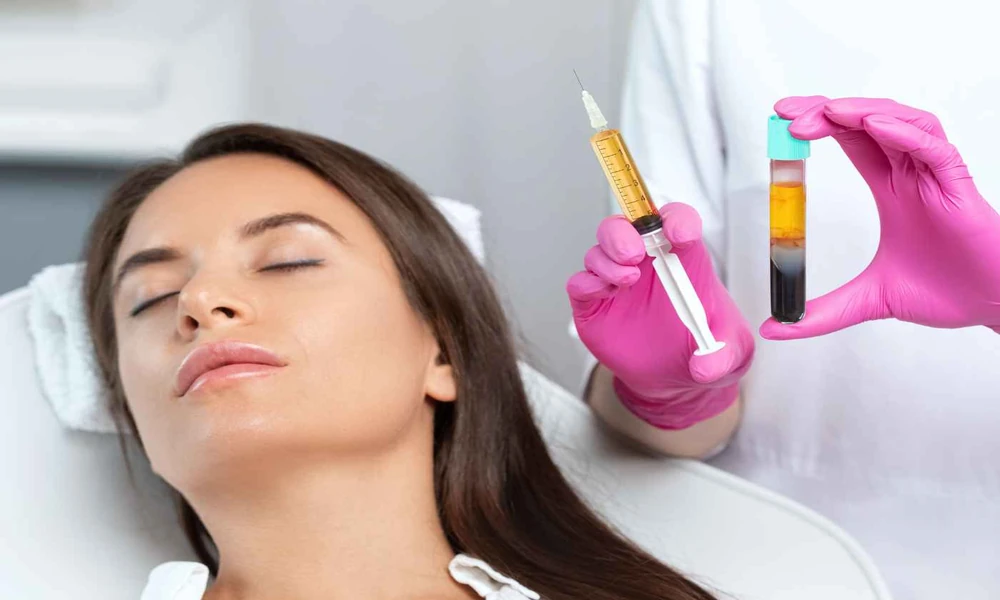
PRP therapy works by concentrating the growth factors and signaling proteins that already exist within your blood. A small blood sample is drawn and processed to separate the platelet-rich plasma from other components. This concentrated solution contains healing elements at levels far exceeding what circulates normally through your system.
When injected into the scalp, these growth factors stimulate dormant hair follicles and encourage cellular regeneration. The treatment essentially amplifies your body’s existing repair mechanisms rather than introducing foreign substances.
Because the plasma comes entirely from your own blood, the risk of allergic reactions or rejection virtually disappears. Your body recognizes the material as its own and responds accordingly.
Avoiding Surgical Intervention
Hair transplant surgery remains effective but involves significant considerations that many people prefer to avoid. Surgical approaches require anesthesia, create wounds that need healing time and may leave visible scarring. The recovery period can extend for weeks during which normal activities become restricted.
PRP offers a nonsurgical alternative that accomplishes meaningful results without these concerns. The procedure typically takes less than an hour from blood draw through injection completion. Most people return to regular activities immediately afterward with only minor restrictions on exercise and sun exposure for a day or two.
Choosing trusted centers like Pristine Wellness ensures treatment by qualified medical professionals who understand proper PRP extraction techniques. Their quadruple board-certified physician oversees procedures and creates personalized treatment plans based on individual hair loss patterns and restoration goals.
Stimulating Genuine Hair Regrowth
Unlike products that simply create the appearance of fuller hair, PRP therapy actually stimulates real hair growth from existing follicles. The growth factors activate stem cells within hair bulbs and promote changes that encourage stronger, healthier hair cycles.
Research published in dermatologic journals has documented measurable improvements in hair thickness, density and coverage following PRP treatment. Many patients notice reduced shedding within the first few weeks, with visible new growth typically appearing between three and six months after beginning treatment.
The approach works particularly well for pattern hair loss that has not progressed to complete follicular death. Dormant follicles can often be reactivated when the right growth signals reach them in sufficient concentration.
Complementing Other Restoration Approaches
PRP therapy integrates effectively with other hair loss treatments rather than requiring exclusive commitment. Many patients combine PRP with topical solutions, oral supplements, laser therapy or lifestyle modifications that support healthy hair growth from multiple angles.
This flexibility allows treatment plans tailored to individual circumstances rather than one-size-fits-all protocols. Some people achieve satisfactory results with PRP alone while others benefit from comprehensive approaches addressing multiple contributing factors.
The treatment also works well as maintenance following surgical transplants. PRP can help transplanted follicles establish themselves while stimulating surrounding native hair to remain healthy and productive.
Experiencing Minimal Side Effects
The autologous nature of PRP means side effects remain remarkably limited compared to pharmaceutical alternatives. Because nothing foreign enters your body, the reactions that prescription medications sometimes trigger simply do not occur.
Mild discomfort during injection represents the primary concern most patients report. Some centers offer comfort measures including topical anesthesia or nitrous oxide for those with lower pain tolerance. Any scalp tenderness following treatment typically resolves within a day.
The absence of systemic side effects distinguishes PRP from oral medications that can affect hormones or other bodily systems. What happens on your scalp stays on your scalp, leaving the rest of your health unaffected.
Building Lasting Improvements
PRP therapy typically involves a series of treatments rather than a single session. Initial protocols often include monthly sessions for several months to establish consistent follicular stimulation. Maintenance treatments may continue quarterly or semi-annually depending on individual response.
This graduated approach allows practitioners to monitor progress and adjust treatment intensity based on how your hair responds. The investment of time yields cumulative benefits that build upon each session’s contributions.
Results vary among individuals based on the extent of hair loss, underlying causes and personal physiology. However, the scientific foundation supporting PRP continues strengthening as ongoing clinical trials document its effectiveness across diverse patient populations seeking natural alternatives for hair restoration.
