

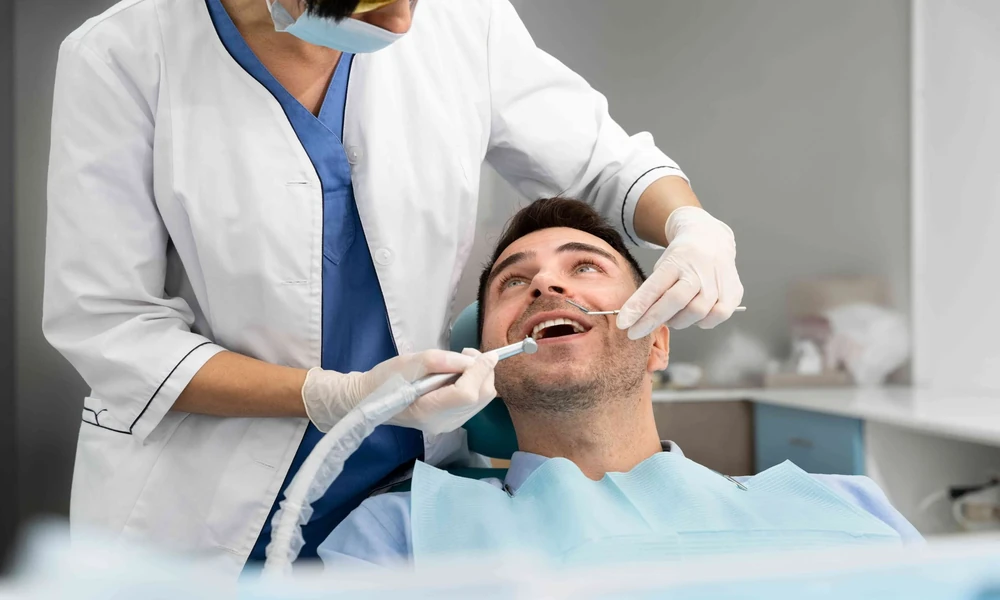
You may have put off a dental visit because the fear feels bigger than the problem. A small ache turns into weeks of chewing on one side, avoiding cold drinks, and hoping it settles down on its own. That is common, and it makes sense. For many people, the memory of dental pain starts before they even sit in the chair. If you are looking for a cosmetic dentist Great Falls residents can trust, getting care early can help prevent bigger problems later.
The good news is that modern dentistry looks very different from what many patients expect. General and implant dentist offices now use digital imaging, precise numbing methods, guided planning, and better comfort options to make care more controlled and far less stressful. The goal is simple. Find problems earlier, treat them with more accuracy, and reduce the pain, swelling, and uncertainty that used to come with dental work.
Advanced dental technology changes pain free treatment at every stage
Pain does not just come from the treatment itself. It often starts with fear, delayed care, and the size of the problem by the time you finally go in. A cavity caught early may need a small filling. The same cavity left alone can reach the nerve and lead to infection, root canal treatment, or extraction. That is where advanced tools matter most. They help dentists see more, guess less, and treat only what needs treatment.
Digital X rays are one example. They produce clear images quickly and use less radiation than older methods. In many offices, 3D scans add another layer of precision, especially for implants, impacted teeth, bone loss, and complex root anatomy. The National Institute of Dental and Craniofacial Research explains how data science and digital dentistry can improve dental care by helping clinicians plan treatment with better detail and consistency.
That precision changes the patient experience. When a dentist can map the exact position of a nerve, the depth of a cavity, or the shape of your jawbone before starting, the treatment becomes more targeted. Less guesswork often means less drilling, fewer surprises, and a smoother recovery.
Comfort also depends on how numbing and sedation are handled. Many general dentists use topical anesthetics before the injection, gentler delivery systems, and local anesthesia techniques that are more accurate than older approaches. Some offices also offer nitrous oxide or other sedation support for anxious patients. If you have ever worried about being awake, numb, or aware during treatment, it helps to understand the basics of anesthesia and pain control options before your appointment.
Implant care benefits from the same shift. A well planned implant is not just about replacing a tooth. It is about reducing trauma to the surrounding tissue, placing the implant in the right position the first time, and creating a bite that feels stable afterward. That is one reason modern dentists use technology for comfortable dental care in both routine and advanced procedures.
Digital tools help general and implant dentist offices prevent bigger problems
The best pain free treatment is the one that stops pain before it starts. In a busy life, it is easy to dismiss bleeding gums, a rough edge on a tooth, or soreness near an old crown. Those small signs can point to decay, grinding, gum disease, or a failing restoration. Advanced screening tools help dentists catch those changes earlier, often before the pain becomes constant.
That matters financially too. Delayed treatment usually costs more. A filling is cheaper than a crown, a crown is cheaper than an implant, and an implant is often more predictable than living with an infection that damages bone. Federal research priorities in oral health continue to support earlier diagnosis, better imaging, and more precise care, as outlined in the NIDCR congressional justification report.
You do not need every new device to have a good outcome, and shiny equipment alone does not make a practice better. What matters is how the tools are used. A skilled dentist uses technology to answer practical questions. Is the decay deep or shallow. Is there enough bone for an implant. Is the bite causing the fracture. Is there a way to save more natural tooth structure. Those answers shape treatment that feels more conservative and less painful.
Pain free dental treatment depends on the right tools and the right planning
| Approach | What It Often Looks Like | Likely Impact on Comfort |
|---|---|---|
| Traditional 2D evaluation only | Basic view of teeth and roots, limited depth for complex cases | Works for simple needs, but complex treatment may involve more uncertainty |
| Digital imaging and 3D planning | Detailed view of bone, nerves, root shape, and implant position | More precise treatment, often less tissue disruption and fewer surprises |
| Standard numbing without comfort aids | Injection with little prep for needle sensitive patients | Can feel stressful for anxious patients even when effective |
| Topical anesthetic plus modern local anesthesia techniques | Surface numbing, careful placement, better timing | Usually a gentler start and more reliable pain control |
| Reactive treatment after symptoms become severe | Emergency visits, swelling, broken teeth, deeper decay | More invasive care and longer recovery are more likely |
| Early diagnosis and planned treatment | Small issues treated before they spread | Shorter visits, simpler procedures, and lower stress |
Advanced tools for gentle dentistry do not erase every sensation, and no ethical dentist should promise that. What they do is reduce avoidable pain, improve accuracy, and give you a better chance of leaving the office thinking, that was easier than I expected.
Small steps make dental treatment feel more manageable
Ask how the office handles comfort. Do not just ask whether they do fillings or implants. Ask how they numb the area, whether they use digital imaging, and what they offer for anxious patients. A good answer is clear and specific.
Schedule care while the problem is still small. If you are noticing sensitivity, bleeding gums, food trapping, or a loose crown, book the visit now. Early treatment is usually simpler, faster, and less expensive than emergency care.
Share your past dental experiences. Tell the dentist if you have had trouble getting numb, if injections make you panic, or if a past procedure was painful. That changes the plan. Good general dentistry is not one size fits all.
Better tools can make the next visit easier
If you have been waiting because you expect pain, you are not overreacting. You are responding to a real fear that many people carry for years. Dentistry has changed, and the best general and implant dentist practices use advanced tools to make treatment more precise, more conservative, and easier to get through. Taking the first step now can spare you a much harder one later.
